Robust Black Blends
Embracing the transformative power of oxidation, black teas offer depth, structure, and a deep ruby hue that has grounded morning routines across the globe.
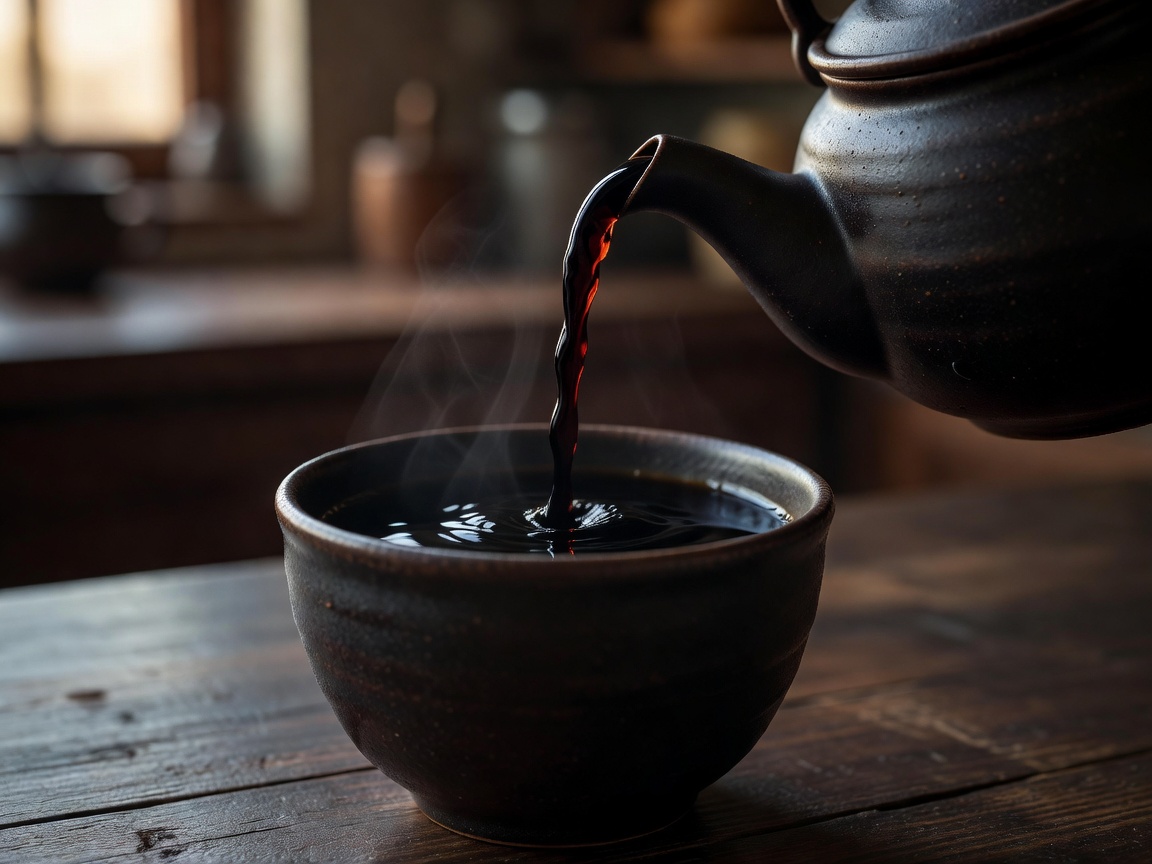
The Art of Oxidation
In the world of tea processing, what is known as 'black tea' in the West is traditionally referred to as 'red tea' in Eastern terminology, denoting the deep, crimson color of its liquor.
The leaves are withered until pliable, then rolled or crushed. This physical manipulation fractures the cell walls, exposing the leaf's essential oils to oxygen. It is here, in temperature-controlled rooms, that the magic happens: the leaves turn from green to copper, developing complex flavor compounds like theaflavins and thearubigins.
Global Terroirs
The origin of a black tea deeply dictates its final character in the cup.
- Assam (India): Grown at near sea level, these teas are renowned for their bold, brisk, and profoundly malty flavors. Often forming the backbone of traditional breakfast blends.
- Darjeeling (India): Sourced from the foothills of the Himalayas. Often called the 'Champagne of Teas', featuring muscatel grape notes and a lighter body.
- Keemun (China): A highly structured tea from Anhui Province, prized for its wine-like fruitiness and subtle hints of pine and orchid.